
The introduction of a new helicopter into an operator’s fleet involves much more than acquiring a new aircraft. Pilots and crews need to become familiar with new systems, procedures and operational capabilities, while training programmes need to evolve alongside the aircraft.
The Airbus H140 is attracting significant attention across the helicopter industry as a new-generation light twin-engine helicopter, particularly for Helicopter Emergency Medical Services (HEMS). With its entry into service planned for 2028, operators are already considering how the aircraft could fit into their future fleets and operations.
As the H140 moves closer to service, Airbus H140 simulation training will become an important part of preparing pilots and crews for the aircraft and the demanding missions it is designed to perform.
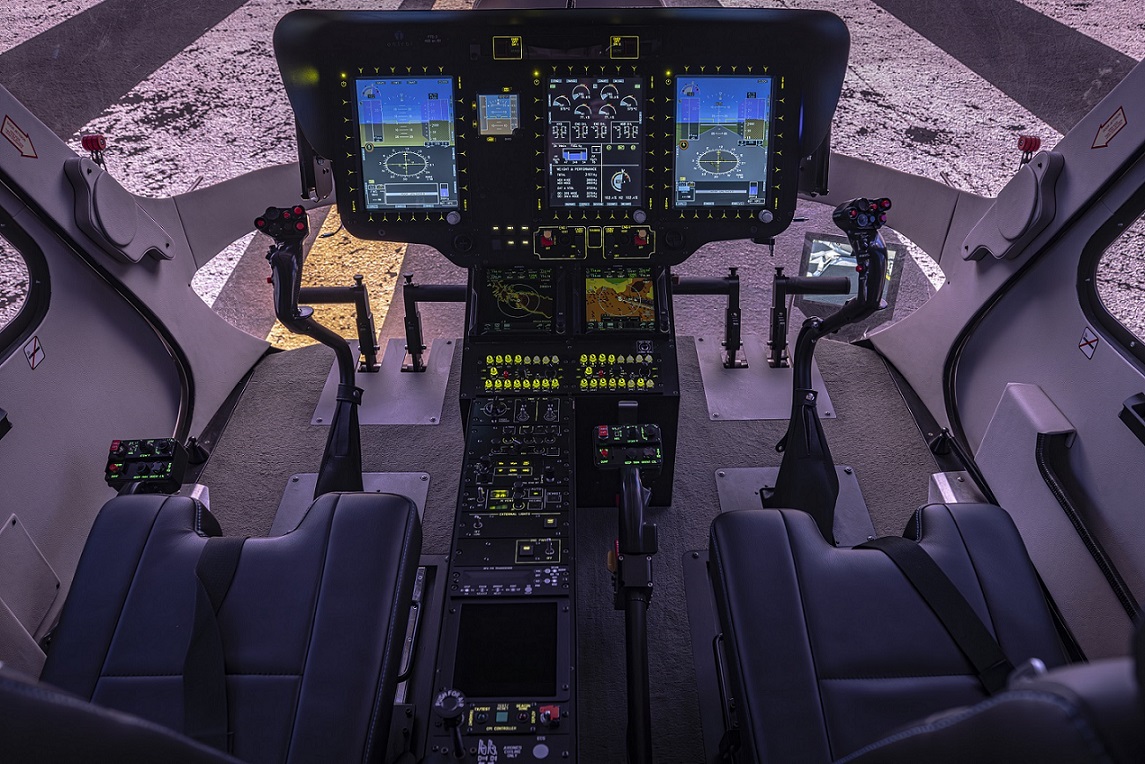
Why Simulation Matters for the Airbus H140
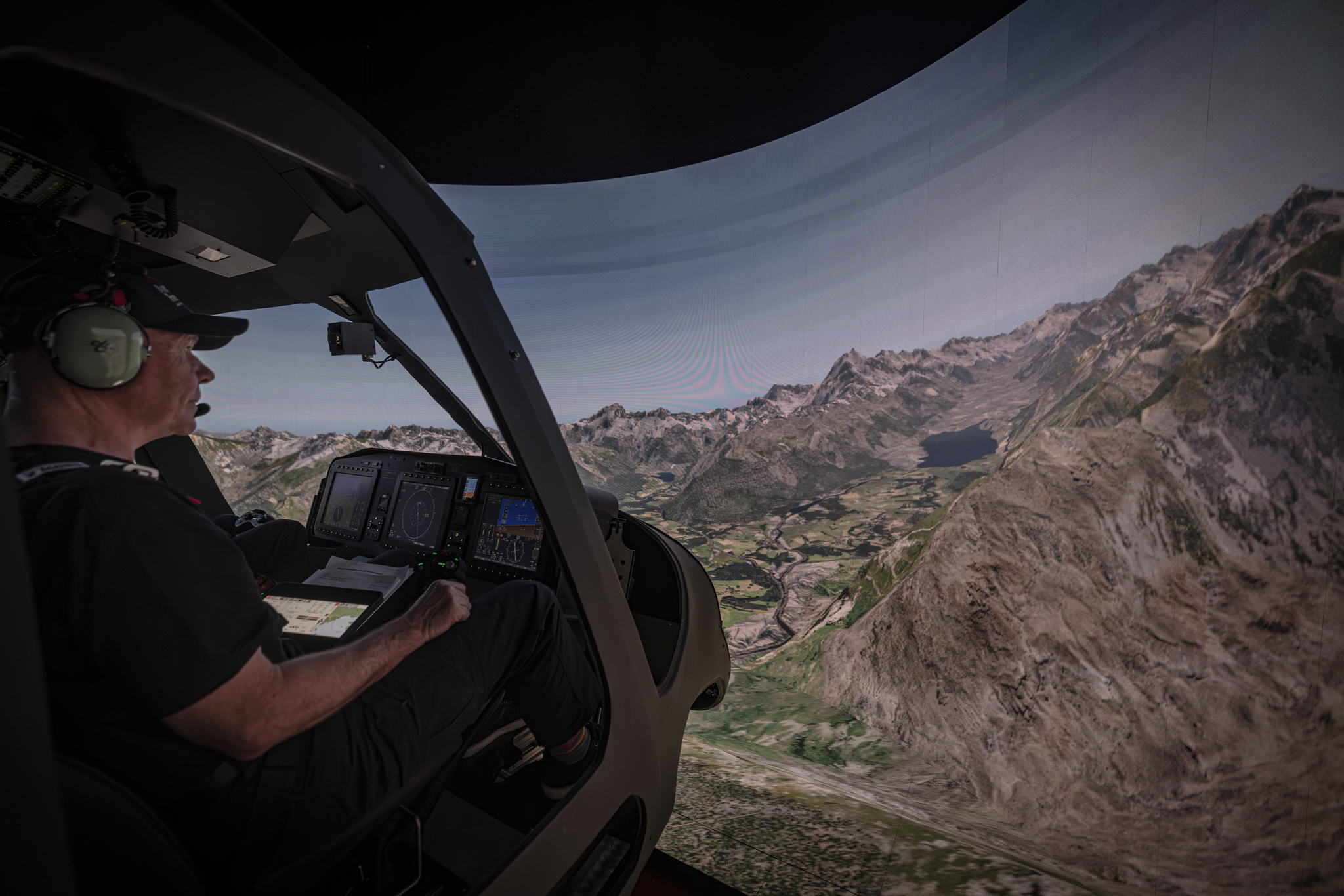
Introducing a new helicopter requires pilots to understand its systems, procedures and capabilities. Simulation provides a safe, controlled environment to practise procedures, emergencies and operational scenarios that may be difficult or risky to recreate in the real aircraft.
Preparing Pilots for a New Generation of Helicopter
As a new-generation helicopter, the H140 will require pilots to develop a thorough understanding of its systems, capabilities and operating procedures. Airbus H140 simulation training can help standardise training across crews, allowing pilots to practise the same procedures and scenarios under controlled conditions.
For H140 pilot training, high-fidelity simulation can help pilots build the knowledge and confidence needed to operate complex aircraft safely, while providing an effective environment for experienced pilots to share operational knowledge with newer crews.
At entrol, our experience with certified simulation shows how high-fidelity training devices can support this type of training while providing operators with a controlled and repeatable training environment.
Training Procedures and Emergencies Safely
One of the main advantages of simulation is the ability to recreate emergencies without exposing pilots, crews or aircraft to unnecessary risk.
Engine failures, abnormal procedures, adverse weather and other challenging situations can be introduced during a training session and repeated until pilots achieve the required level of proficiency.
This makes simulation particularly valuable during the introduction of a new aircraft, when crews need to build experience with its systems and procedures before facing unexpected situations in real operations.
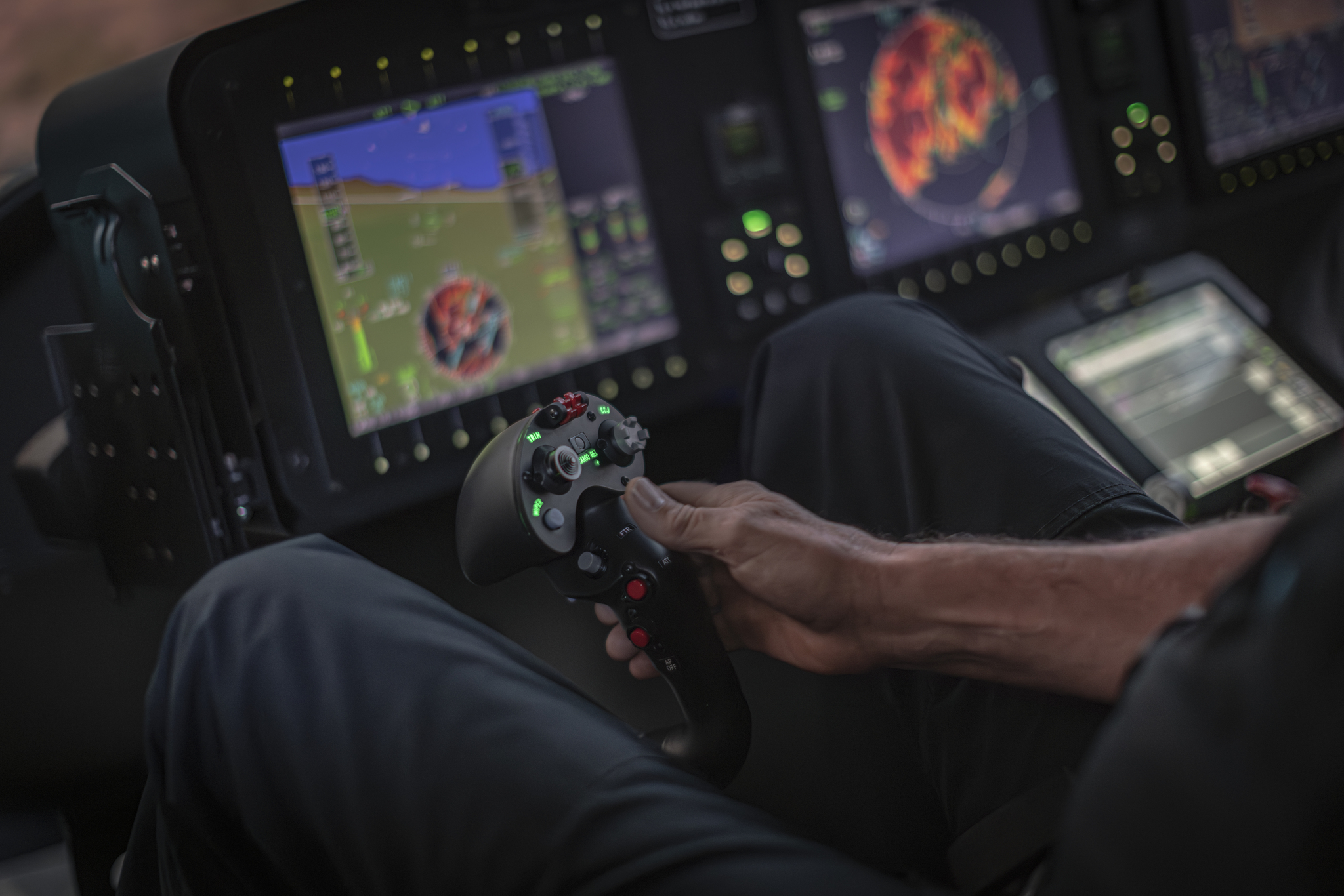
The Airbus H140: A New Opportunity for HEMS Training
The H140 has been designed with a strong focus on HEMS operations, making it particularly relevant for operators preparing for the next generation of helicopter emergency medical services. As the aircraft enters service, effective training will be key to ensuring pilots and crews are prepared to make the most of its capabilities.
Designed for Demanding HEMS Operations
HEMS missions can involve confined landing areas, challenging weather, unfamiliar environments and time-critical decision-making.
Simulation allows these situations to be recreated in a safe and repeatable environment. Pilots can practise approaches, landings, emergency procedures and mission-specific scenarios without affecting the availability of the operational fleet.
For operators, HEMS mission simulation can provide an opportunity to practise the operational challenges associated with these missions while maintaining the aircraft available for real-world operations.
From Aircraft Familiarisation to Mission Training
Modern helicopter simulation is no longer limited to reproducing the cockpit.
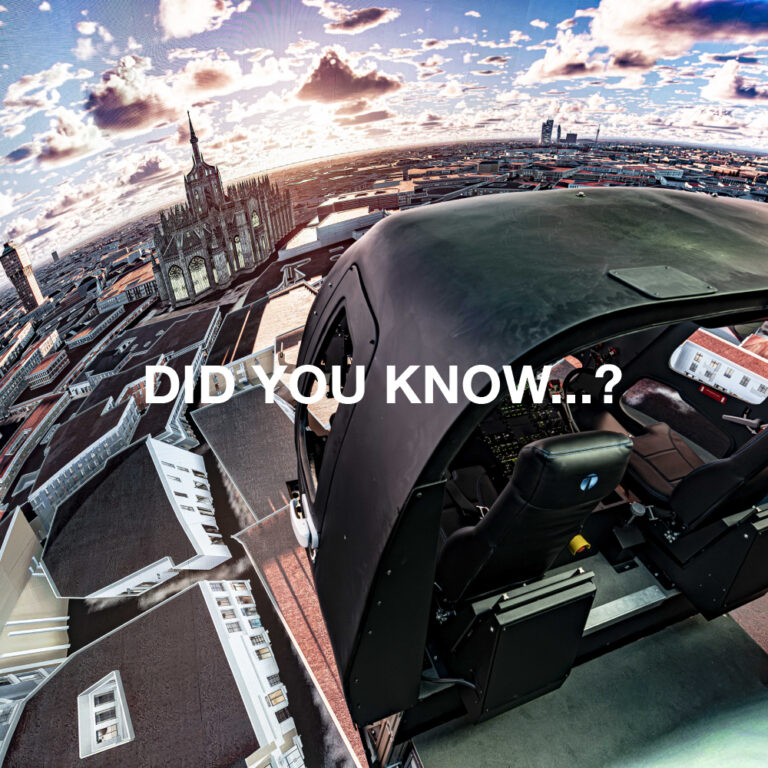
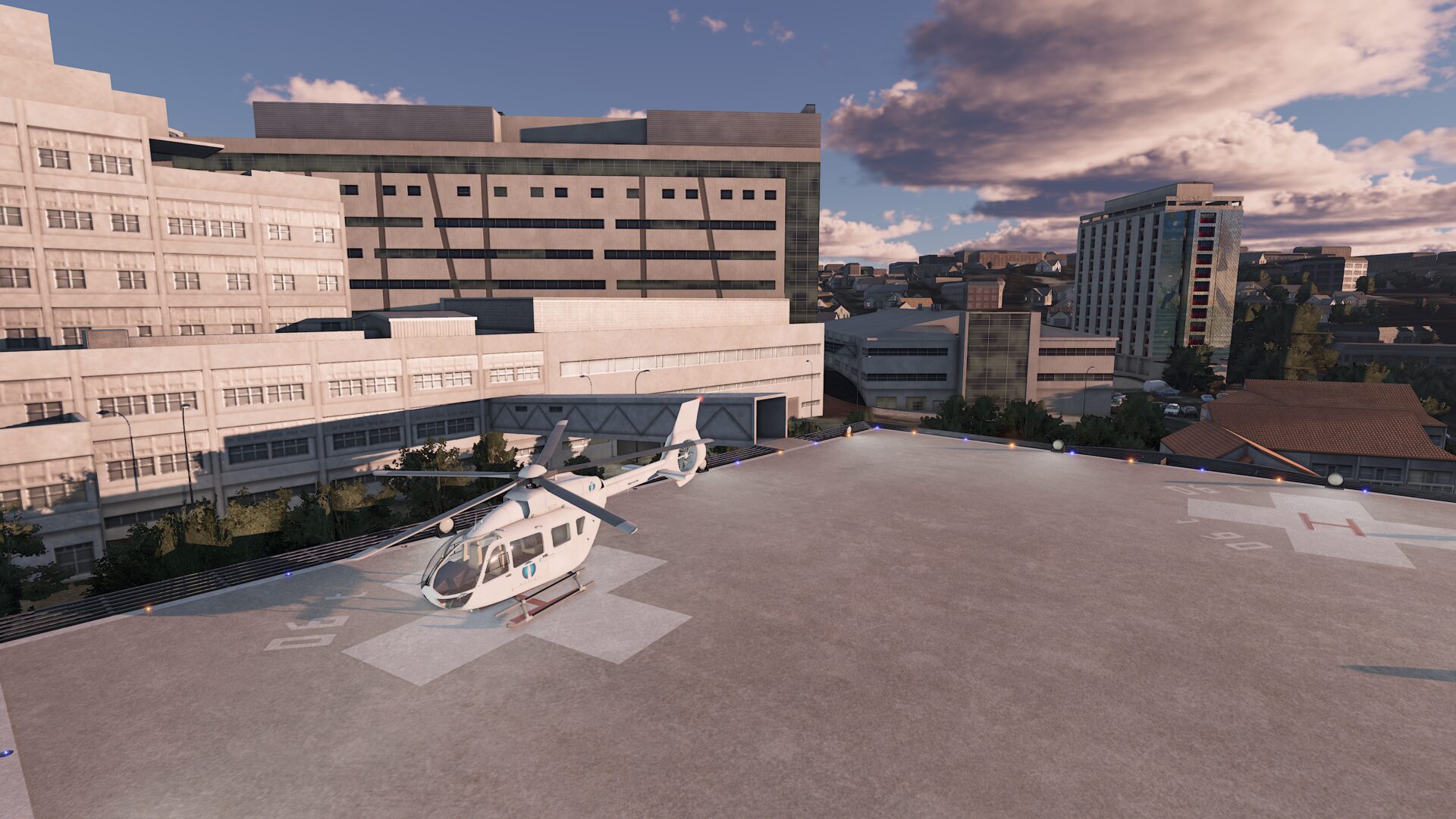
High-fidelity visual systems and mission databases can recreate the environment surrounding the aircraft, allowing pilots to train the complete operational scenario.
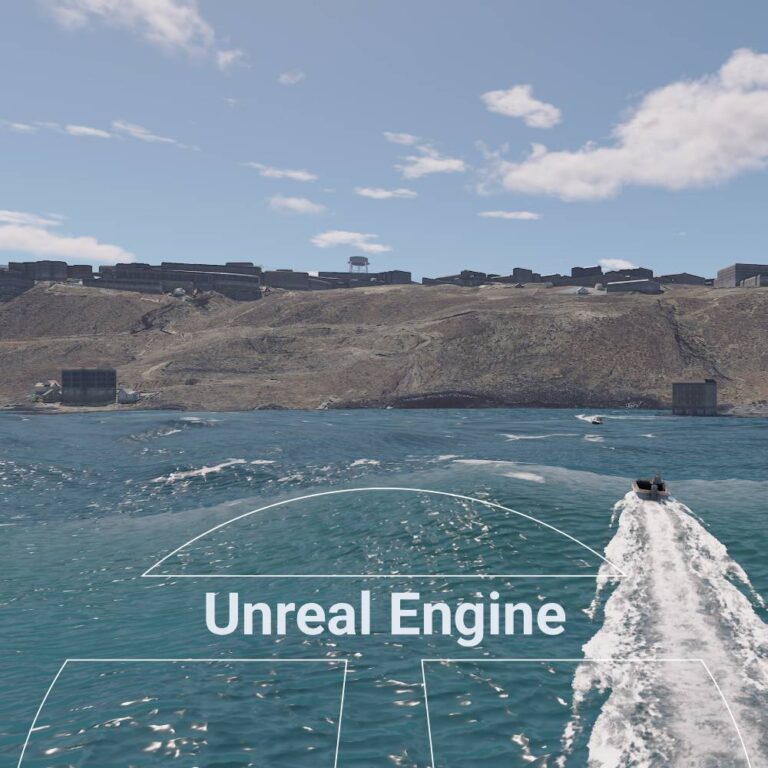
entrol’s ENVISION image generator, powered by Unreal Engine, enables customised visual environments for mission training, including HEMS, SAR, firefighting, law enforcement and offshore operations. These environments can include geospecific terrain, airports, heliports and specific visual references.
This makes it possible to move from generic aircraft training towards simulation that reflects the real operational environment of the customer.
Tailored Airbus H140 Simulation for Operators
entrol develops flight simulation solutions tailored to each customer’s aircraft, operational requirements and training objectives. For operators preparing to introduce the Airbus H140, entrol can develop an ad hoc simulation solution adapted to their specific configuration, training needs and mission scenarios.
Experience with Airbus Helicopter Models
entrol’s simulator portfolio includes a wide range of Airbus helicopter models, including the H120, H125, H135, H145, H155 and Dauphin. This experience covers different aircraft configurations and training requirements, from aircraft procedures and systems to specialised mission training.
This knowledge of Airbus helicopter platforms, combined with entrol’s experience in customised simulator development and mission training, provides a solid foundation for exploring tailored simulation solutions for new aircraft such as the H140.
Custom Cockpit, Visual Database and Mission Scenarios
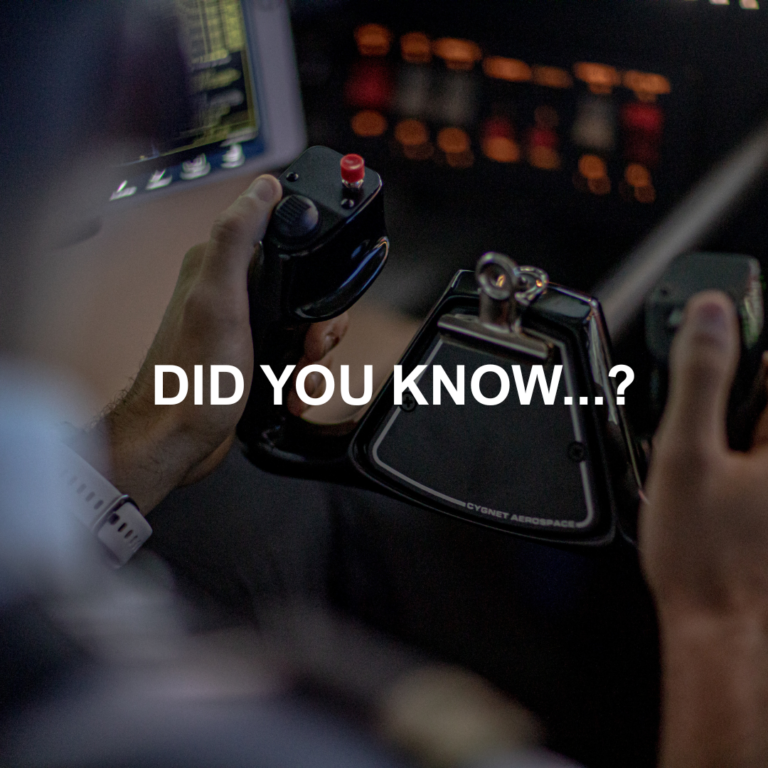
One of entrol’s main strengths is its ability to adapt simulator configurations to the real aircraft operated by each customer. Rather than providing a generic solution, entrol can manufacture simulators that match the customer’s specific aircraft configuration and training objectives.
A tailored Airbus H140 flight simulator could include the cockpit configuration, visual systems, geographical databases and mission scenarios required by the operator. This is particularly relevant for HEMS operators, whose training needs depend heavily on the geographical and operational environment in which the aircraft is used.
The result is a training solution designed around the operator’s specific requirements rather than simply around the aircraft model.
Potential Certification Levels for H140 Simulation
The appropriate level of certification for an H140 simulator will depend on the operator’s and training organisation’s requirements and the intended use of the device.
An H140 Full Flight Simulator (FFS) could be used for training activities such as Proficiency Checks, while an H140 Flight Training Device (FTD) could support Operator Checks, procedures and mission training, depending on the applicable regulatory framework and certification level.
Defining the intended training objectives from the beginning is therefore essential when developing a simulation solution for a new aircraft such as the H140.
Preparing for the Future of H140 Pilot Training
The arrival of the Airbus H140 represents another step in the evolution of helicopter operations. As the aircraft moves closer to entering service, operators can start planning their training infrastructure to ensure pilots and crews are prepared from the outset.
Simulation can reduce the need to use operational aircraft for training, increase training availability and provide a safe environment for practising emergencies and complex missions. An in-house simulator can also reduce the need for travel to external training centres while allowing operators to train with their own aircraft configuration and operational environment.
Operators interested in developing an H140 flight simulator can contact entrol to explore an ad hoc solution based on their specific training and operational requirements.
The next generation of helicopters requires the next generation of training.